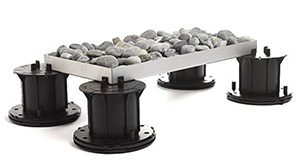
Concrete pavers are set on height-adjustable pedestals that elevate the walking surface above the roof membrane. Each pedestal supports the corners where pavers meet, creating a grid of individually removable units with consistent joint spacing across the entire installation.
The open joints between pavers let water pass straight through to the membrane surface below, where it follows the existing roof slope to the drain system. That airflow gap also prevents moisture from getting trapped between the paver and the membrane — a common failure point in direct-applied rooftop surfaces.
Nothing is glued, screwed, or mortared down. Every paver lifts out by hand for membrane inspections, repairs, or drain maintenance. No demolition, no specialized tools, no patching afterward. Set it back and you’re done.
Pedestals handle the slope. Most commercial roofs pitch between a quarter-inch and a half-inch per foot for drainage — the pedestals compensate for that grade so the finished surface is level even when the structure underneath isn’t. On decks with more complex geometry, different pedestal heights accommodate transitions, elevation changes, and drainage paths without custom fabrication.
Concrete pavers resist UV degradation, freeze-thaw cycling, and sustained foot traffic without the cracking and settling issues that come with poured-in-place slabs. And because the system is modular, a damaged paver is a single replacement — not a section demo and repour.
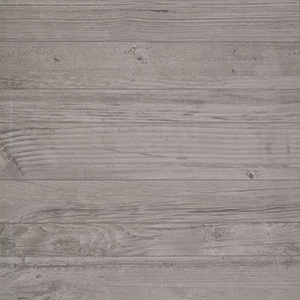
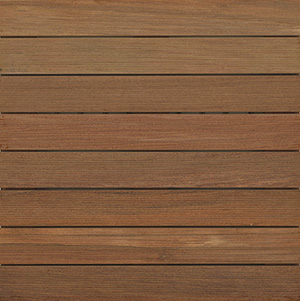
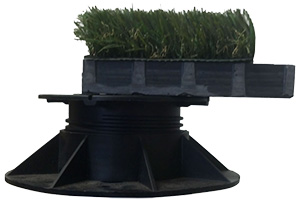
Discover our most in-demand roof paver products for 2026, including porcelain, wood, and turf-compatible options designed for elevated rooftop use. Each product integrates with pedestal systems to create safe, level, and weather-resistant outdoor surfaces for commercial and residential projects.
In 2009 Bison became FSC®-certified and now sources FSC® wood tiles. Bison executives travel to Brazil to ensure Ipê and Massaranduba hardwood used in their products comes from forests implementing sustainable and FSC®-certified forestry practices that maintain the health of the rainforests and the economic viability of local communities.

A: The cost of a Rooftop Paver deck system depends on the size of the deck area and the type of material specified. The square footage of the deck area is used to calculate the number of adjustable pedestals needed and the number of roof pavers. The type of roof pavers specified also impacts the number of pedestals used in the project and the overall cost. The deck material cost varies as well. Wood deck tile is priced differently than 2cm porcelain pavers. Call Elevated Deck Systems to get an estimate today.
A: Adjustable pedestals provide a foundation that supports decking materials and ensures a flat surface on sloping roofs. They also compensate for any inclinations with a slope adjuster feature, which is essential for stability and aesthetic appeal, and they allow for proper drainage and concealment of services underneath the deck.
A: When choosing deck pedestals, consider the weight they will need to support, the material of the pavers, and the compatibility with wood tiles, porcelain pavers, or deck grating. Look for pedestals with height and slope adjustability to cater to different elevation requirements, ensuring a secure and level construction.
A: Deck systems accommodate a range of materials, such as wood tiles that bring a natural aesthetic; porcelain pavers that offer a sleek, modern finish; and deck grating for efficient drainage. These materials cater to various design preferences and functional requirements, from creating an inviting natural look to ensuring durability and ease of maintenance.
A: Deck grating systems play a crucial role in efficient water drainage, preventing pooling and related damage. They ensure the deck surface remains dry and facilitate water channeling away from the decks and towards drainage outlets, enhancing safety and prolonging the deck’s lifespan.
A: TurfGrate and TileGrate are innovative deck grating options for pedestal deck systems. TurfGrate supports turf areas ensuring durability and drainage atop urban decks, while TileGrate allows for tile installations without compromising structural integrity. Both integrate with adjustable pedestals for level adjustments and contribute to the deck’s aesthetic and functional performance.


General Contractor with over 40 years experience in the construction industry. Extensive experience in the technical application of pedestal decking systems for commercial roof top decks. Has been actively involved in installing/supplying pedestal decking systems for over 20 years. Provided deck products and guidance for thousands of raised deck projects throughout the United States.